Skip to content
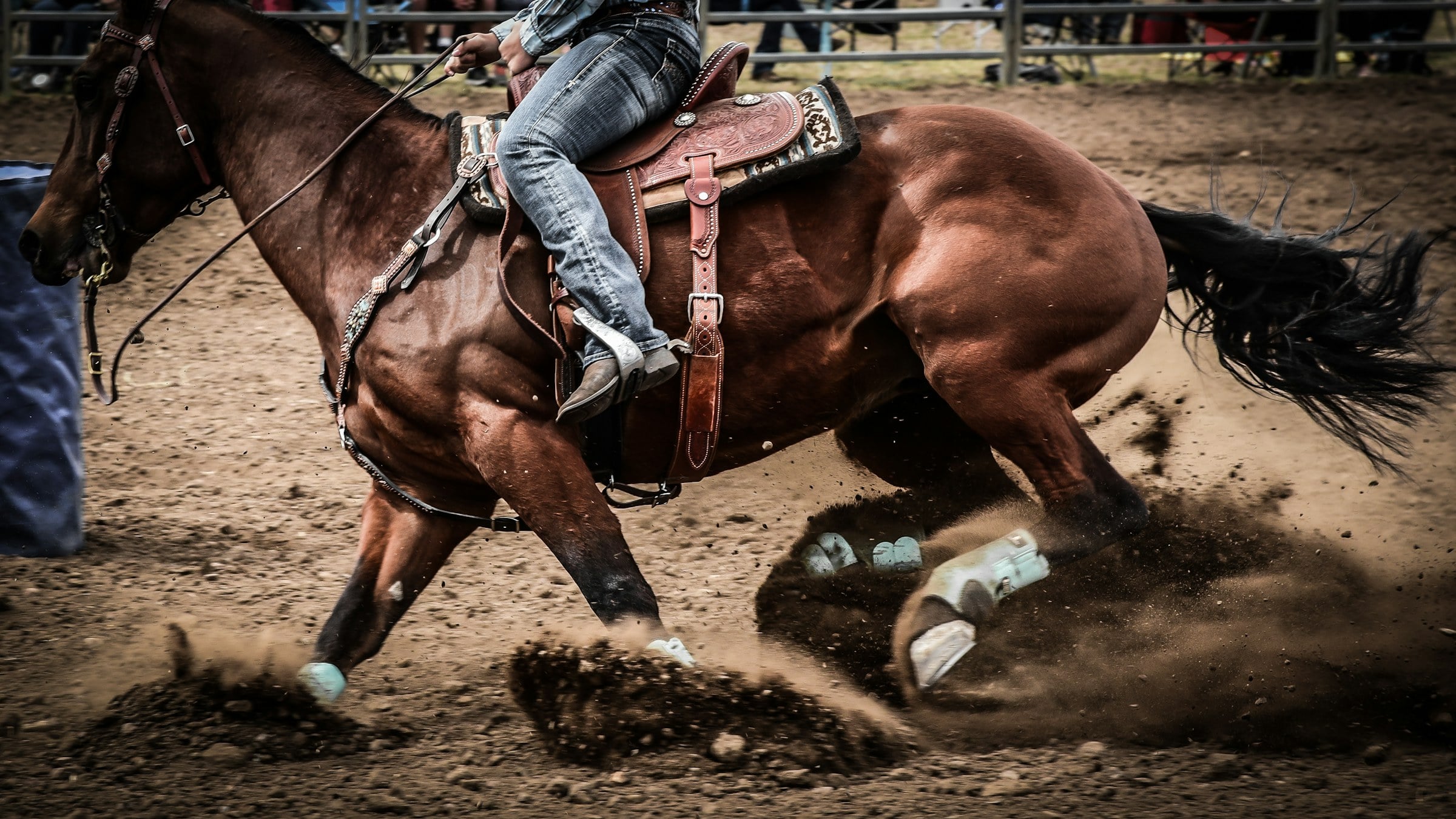
A reining horse in a sliding stop, hind legs buried under him and dirt spraying up behind

Weatherford, TexasEst. 2009

Cross Timbers Performance Horses

Every ride
gets a score

Colts started at two. Futurity horses shown at three. Derby horses finished at four. Reining, cutting, reined cow horse, barrels and ranch versatility, on one hundred forty-eight acres in Parker County.

Official judge’s card

NRCHA Snaffle Bit Futurity
Open · Fort Worth

Back

142

Herd work

74½
  • 01First cut+1½
  • 02Second cut+1
  • 03Herd control+1
  • 04Degree of difficulty+1

Rein work

73
  • 05Circles
  • 06Lead changes0
  • 07Spins right+1
  • 08Spins left+1
  • 09Stop and rollback+1
  • 10Back-up−½

Fence work

77
  • 11Boxing+1
  • 12First turn on the fence+1½
  • 13Second turn+1½
  • 14Circle right+1½
  • 15Circle left+1½

Composite

Judge · R. Vandiver

224½

Third place · Cats Cross Timber · 2025

Head in training
38
Aged-event finalists, 2026
6
Program earnings since 2009
$4.1M
Stalls open for fall
4
3rdNRCHA Snaffle Bit Futurity · OpenCats Cross Timber224½$41,000
FinalistNCHA Futurity · OpenReylene Shortcake220$18,500
1stSouthwest Reining Derby · Level 4Whiz On A Wire150½$12,200
2ndNRHA Derby · Level 3 OpenSpooky Little Dial148$9,750
4thOld Fort Days Futurity · 1DFame On Bethel Road17.412$7,900
Res. ChampionAQHA VRH World · Ltd OpenPeaster Pete$4,400
1stNCHA Super Stakes · Non-Pro ClassicMetallic Sundowner222$21,600
5thNRCHA Stakes · Intermediate OpenHackamore Hattie219½$6,300
01The program

A horse will tell you
what he doesn’t know

There is no method here with a name on it. There is a schedule, a set of cattle, and a rule that a horse never gets asked for something he has not already been taught.

Most horses that arrive with a problem do not have a training problem. They have a hole — something skipped in the first ninety days because it was boring, then papered over ever since with a bigger bit and a harder hand. The first thing we do with almost every horse that comes through the gate is go back and find it.

Which means the early work looks like nothing at all. Long-trotting outside. Riding fence lines. Standing tied while somebody else gets shod. A two-year-old in this barn spends more time going in a straight line than doing anything a judge would ever put a mark on.

Maneuvers come later, and they come apart from one another. Stops on their own. Spins on their own. Herd work in a pen with three head of cattle and nowhere in particular to be. Full patterns are the last thing a horse learns, and even then he runs one about once a week — because a horse who has run four hundred patterns will run the pattern for you whether you asked him to or not.

We hold the barn at thirty-eight head for the same reason. Past that, horses start getting ridden by whoever is free instead of by whoever ought to be riding them, and nobody notices for a month.

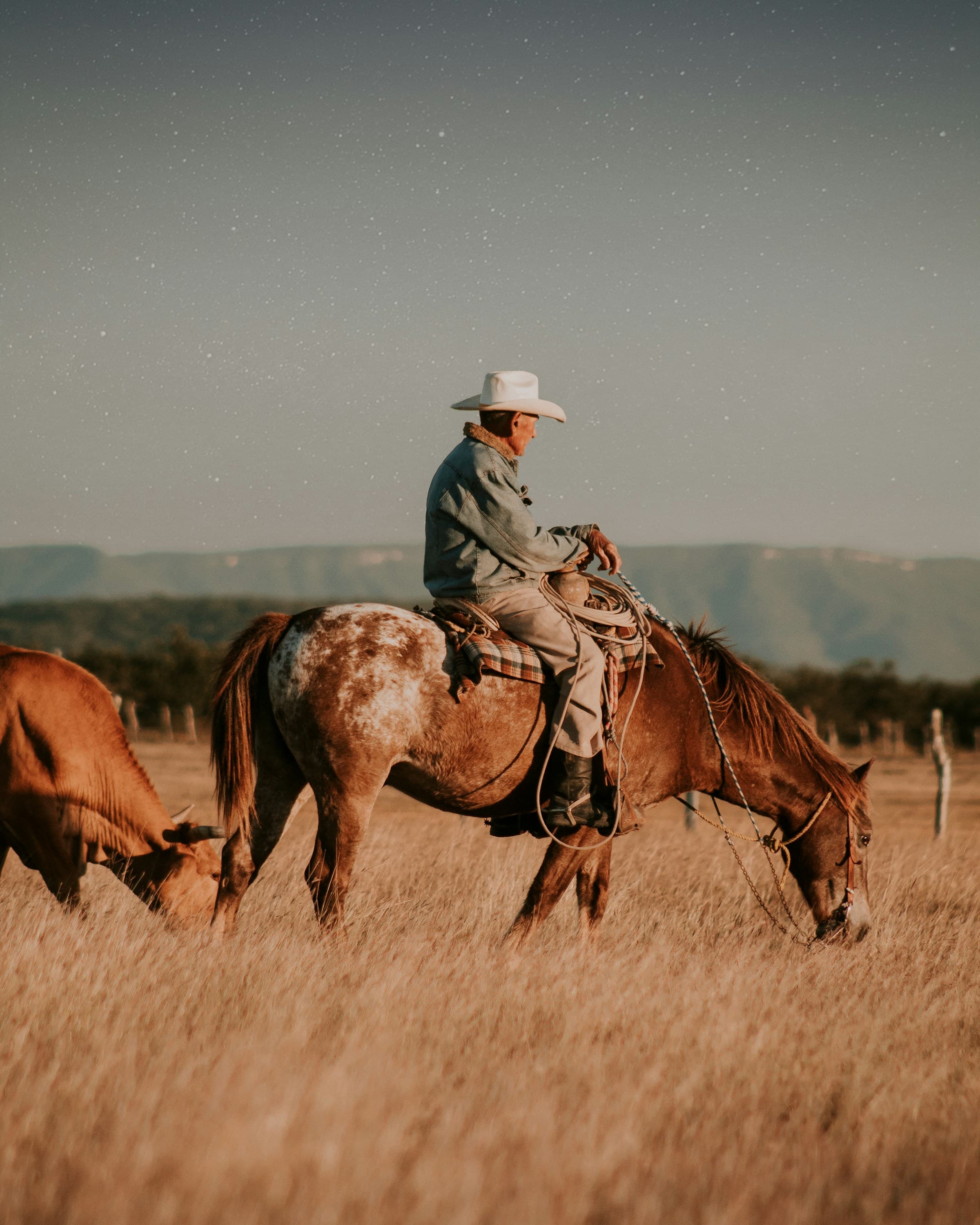
A rider in a straw hat sitting quietly on a horse in open country, cattle grazing beyond
Bethel Road pasture · the first ninety days happen out here

Anybody can make a horse do it. The trick is making him want to do it twice.

Wade Corrigan · head trainer

02Six disciplines

Every one of them
is a shape

A cloverleaf. Concentric circles down the middle of the pen. A cow turned twice against a wall. Pick one and it will draw itself.

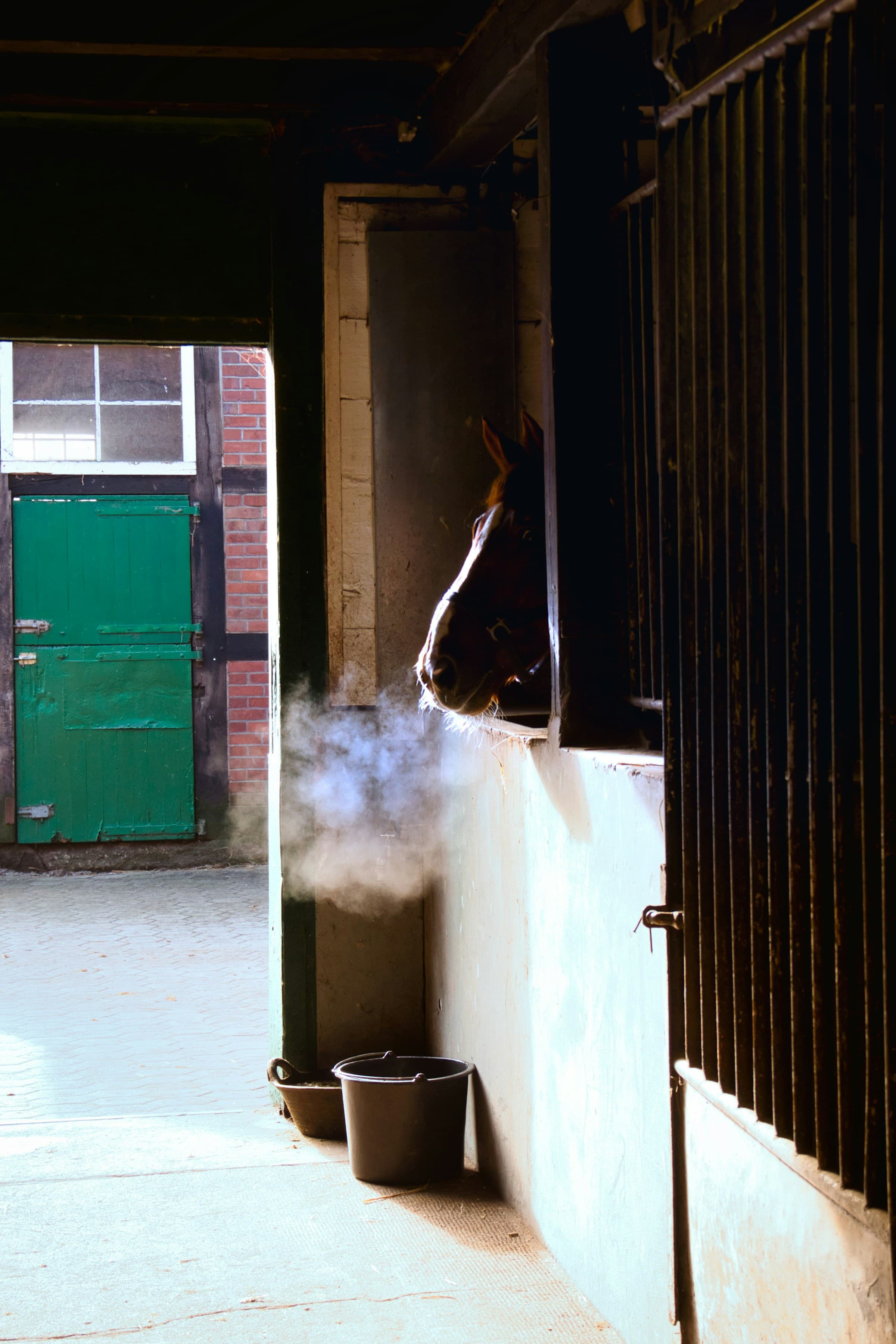
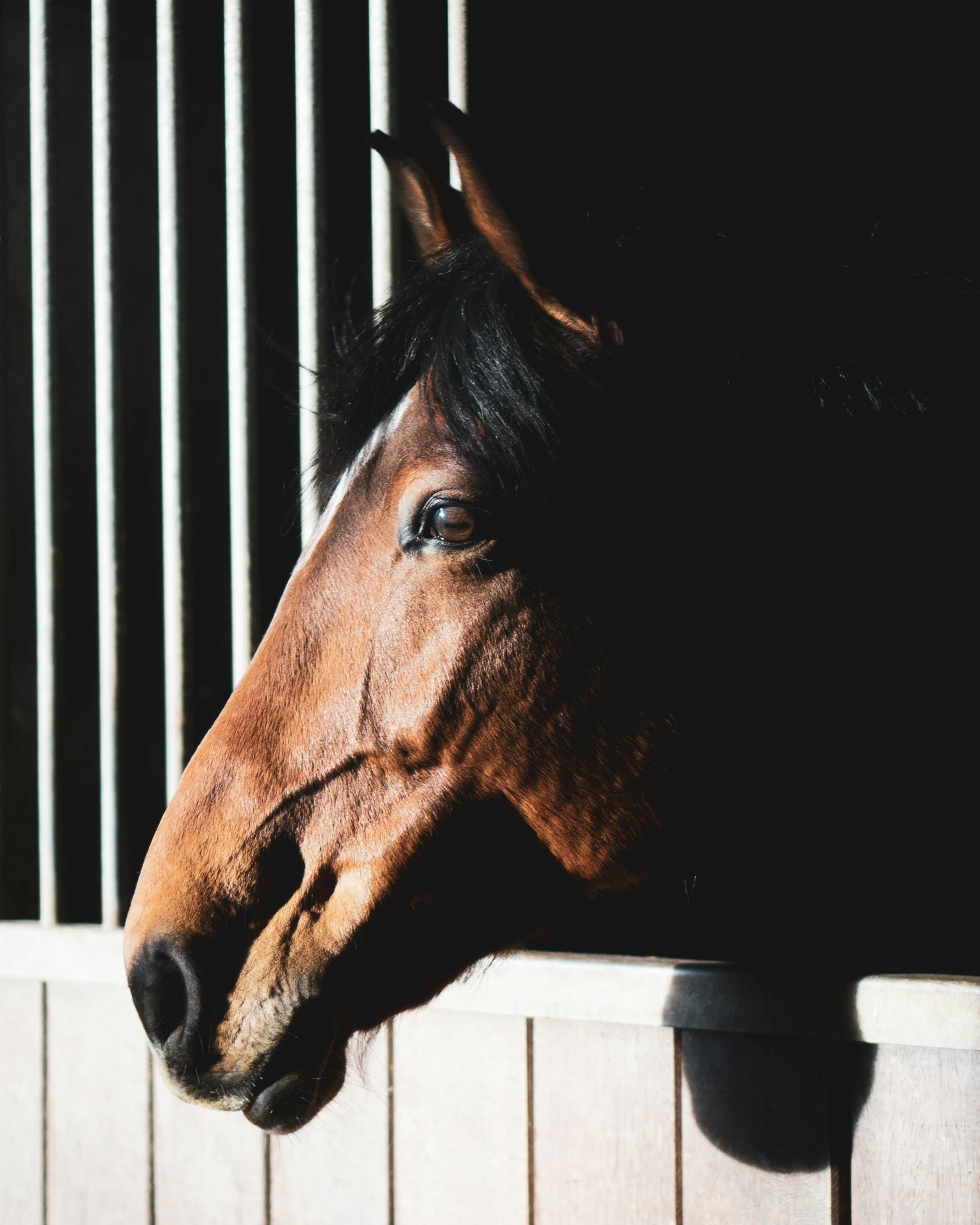
A young horse looking out of a stall door on a cold morning, breath visible in the air

Colt starting

Give him a reason to say yes

Two-year-olds · 60 or 90 days

A colt gets sixty days before anyone asks him a hard question. The first two weeks happen on the ground and in the round pen: hands over every inch of him, feet handled, a saddle that goes on quietly because it has gone on twenty times already.

First rides are short and boring on purpose. He walks, trots and lopes both directions, stops off your seat, moves his hip and his shoulder where you put them, and stands still while you get off. Then he goes outside — pastures, hills, water, a set of cows to follow at a walk.

We would rather send home a plain colt with no holes than a flashy one with three. Everything after this is built on top of it.

Where this goes

  • No show pen. This is the floor everything else is built on.
Round pen, sixty feet — the first two weeks

What he leaves with

  • 01Saddles, bridles and stands tied
  • 02Walk, trot, lope both directions
  • 03Stops and backs off the seat
  • 04Moves off the leg, hip and shoulder
  • 05Clips, loads, hobbles, ponies
  • 06Shod, wormed, teeth floated
  • 07Ridden outside, alone and in company
  • 08First cattle exposure, at a walk

03The calendar

A horse’s career
has a running order

Aged events do not move. Fort Worth is in November whether your colt is ready or not, which means everything in this barn is planned backward from a date somebody else picked.

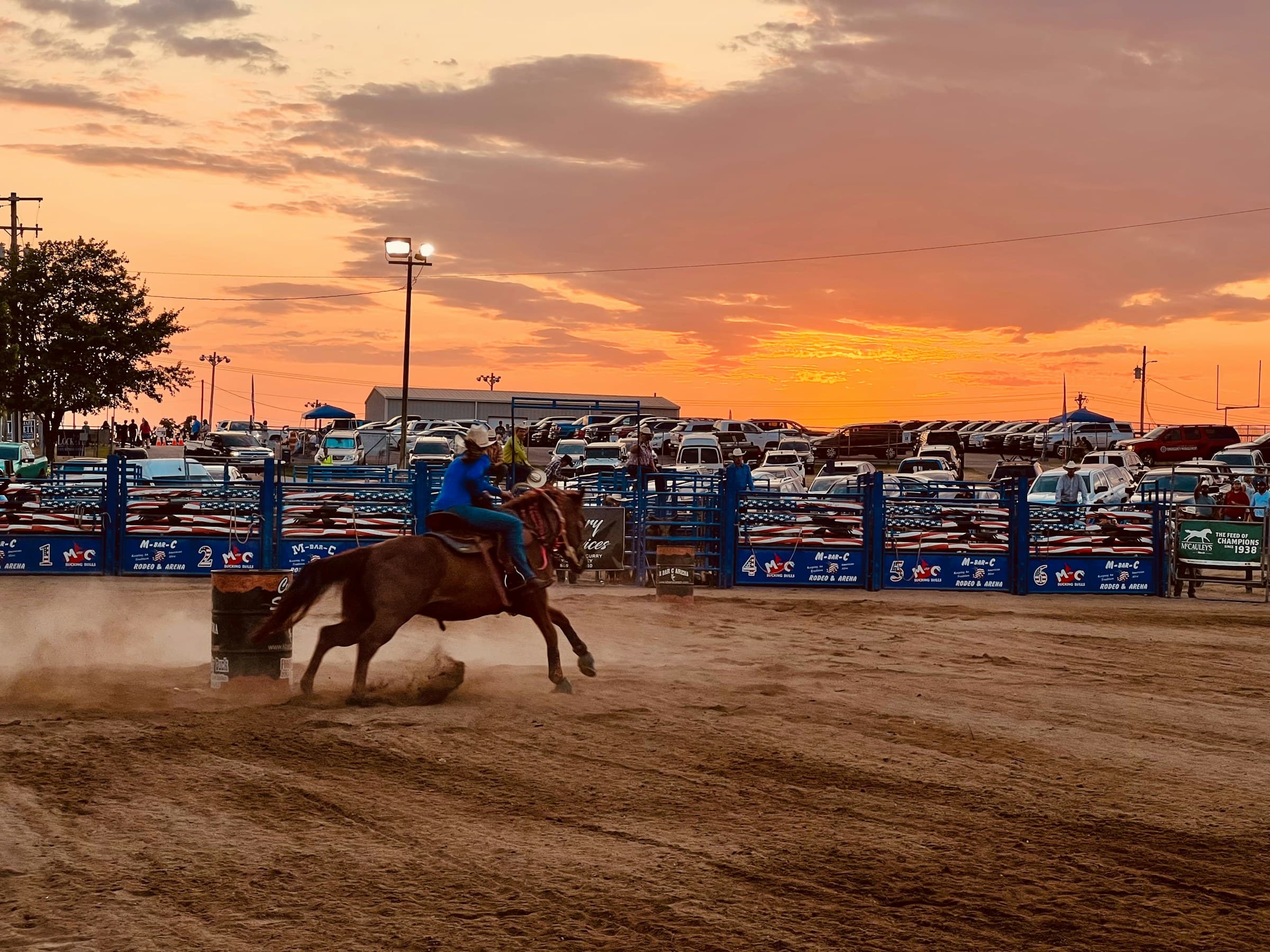
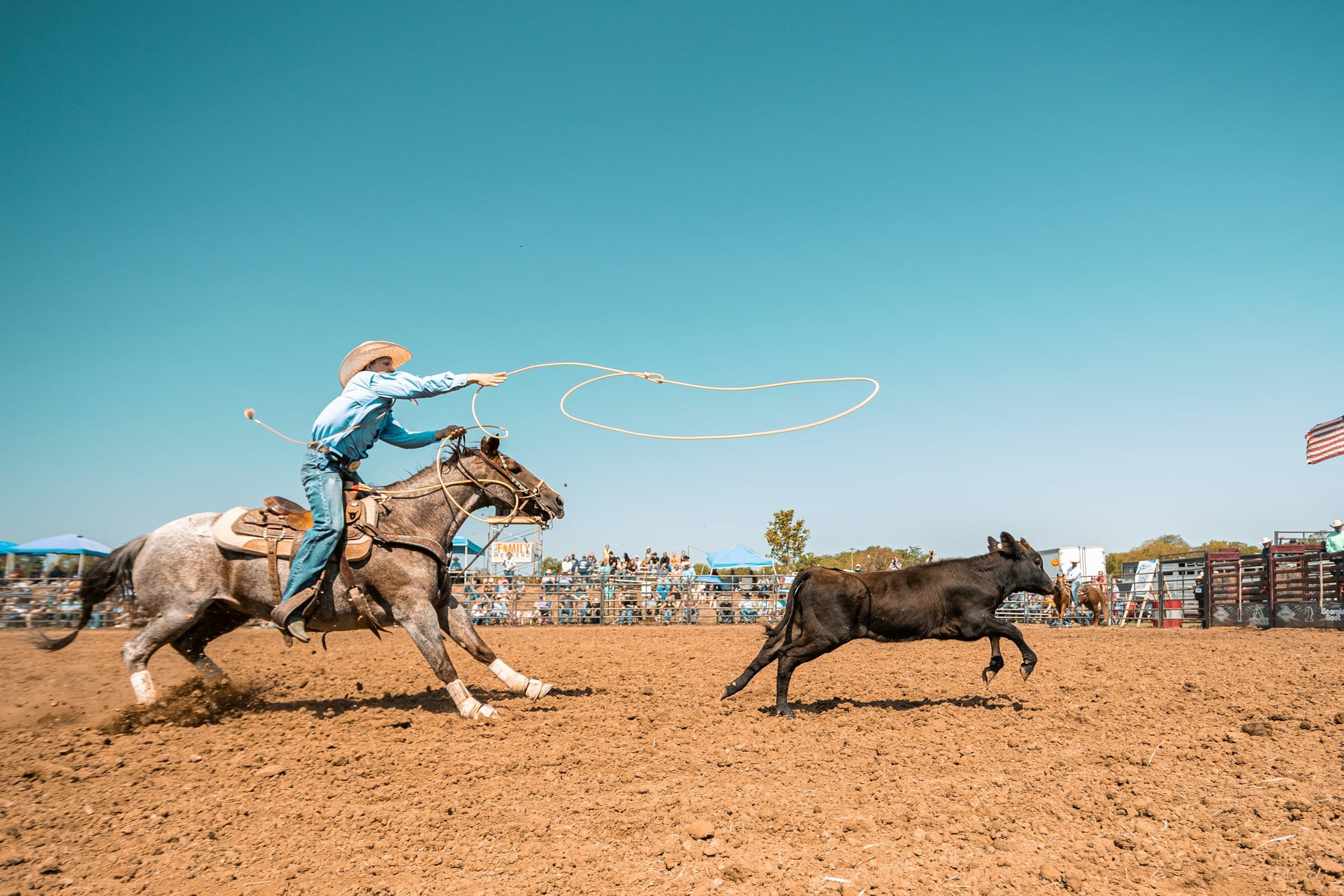
A rodeo arena at sunset, a rider working in the dirt as the sky goes orange behind the stands
  1. August – October

    Long yearlings

    Colts start

    Two-year-olds come in off grass in small sets. Sixty days of ground work and first rides, then thirty days outside before anyone thinks about a maneuver.

    01 / 06

  2. November – March

    Two-year-olds

    The slow year

    Bodies get built. Long-trotting outside, hills, the flag, slow cattle. The two-year-old year is where futurity horses are quietly won and lost, and none of it shows up on a score sheet.

    02 / 06

  3. April – August

    Coming three

    Pattern and pen

    Maneuvers get named and drilled apart from each other — stops on their own, spins on their own, herd work on its own. Full patterns come last, and never more than once a week.

    03 / 06

  4. September

    Three

    First futurity

    The snaffle bit horses go to Fort Worth. It is the first time most of these horses have seen a coliseum, and it is the reason we haul to four small shows in August that do not pay anything.

    NRCHA Snaffle Bit Futurity · Fort Worth

    04 / 06

  5. November – December

    Three

    Futurity season

    Cutters to Fort Worth, reiners to Oklahoma City, three weeks apart. Six months of work goes through a gate and gets a number attached to it.

    NCHA Futurity · NRHA Futurity

    05 / 06

  6. The next three years

    Four, five, six

    Derby and bridle

    Derby horses come back at four and five with more finish and less rush. Cow horses move into the hackamore, then the two-rein, then straight up in the bridle at six. That is the long game, and it is the one worth playing.

    NRHA Derby · NRCHA Derby · World's Greatest Horseman

    06 / 06

Scroll for the rest of the year →

04Reading the card

Minus one and a half,
to plus one and a half

This page is built out of a judge’s card because the barn is. If you are new to aged events, this is the whole vocabulary — and it is worth twenty minutes, because it is the difference between watching a run and understanding one.

The mark scale, per maneuver

  1. −1½Extremely poor
  2. −1Very poor
  3. −½Poor
  4. 0Correct
  5. Good
  6. +1Very good
  7. +1½Excellent

Reining

70 ± marks

Every maneuver is marked against a 70. Add the pluses, subtract the minuses, then take off penalties. A 72 wins a lot of classes.

Common penalties

  • Over-spin, ¼ turn · ½
  • Out of lead · 1
  • Off pattern · 0 score

Cutting

60 to 80

One number for two and a half minutes of work, with 70 as the honest average. Credit is earned; penalties are deducted from whatever you earned.

Common penalties

  • Loss of working advantage · 1
  • Back fence · 3
  • Losing a cow · 5

Reined cow horse

Three scores, one composite

Herd work, rein work and fence work are each scored 60 to 80 and added together. A composite in the mid-220s puts you in a final.

Common penalties

  • Missed turn on the fence · 5
  • Loss of working advantage · 2
  • Deviating from pattern · 5

A minus half on your first circle is information, not an insult. It means the circle was not round, or it was not where the last one was. Both are fixable by Thursday.

05The barn

One hundred forty-eight
acres on Bethel Road

Between Weatherford and Peaster, forty-two miles from Will Rogers. The specification below is the honest one — the same list we would give a buyer.

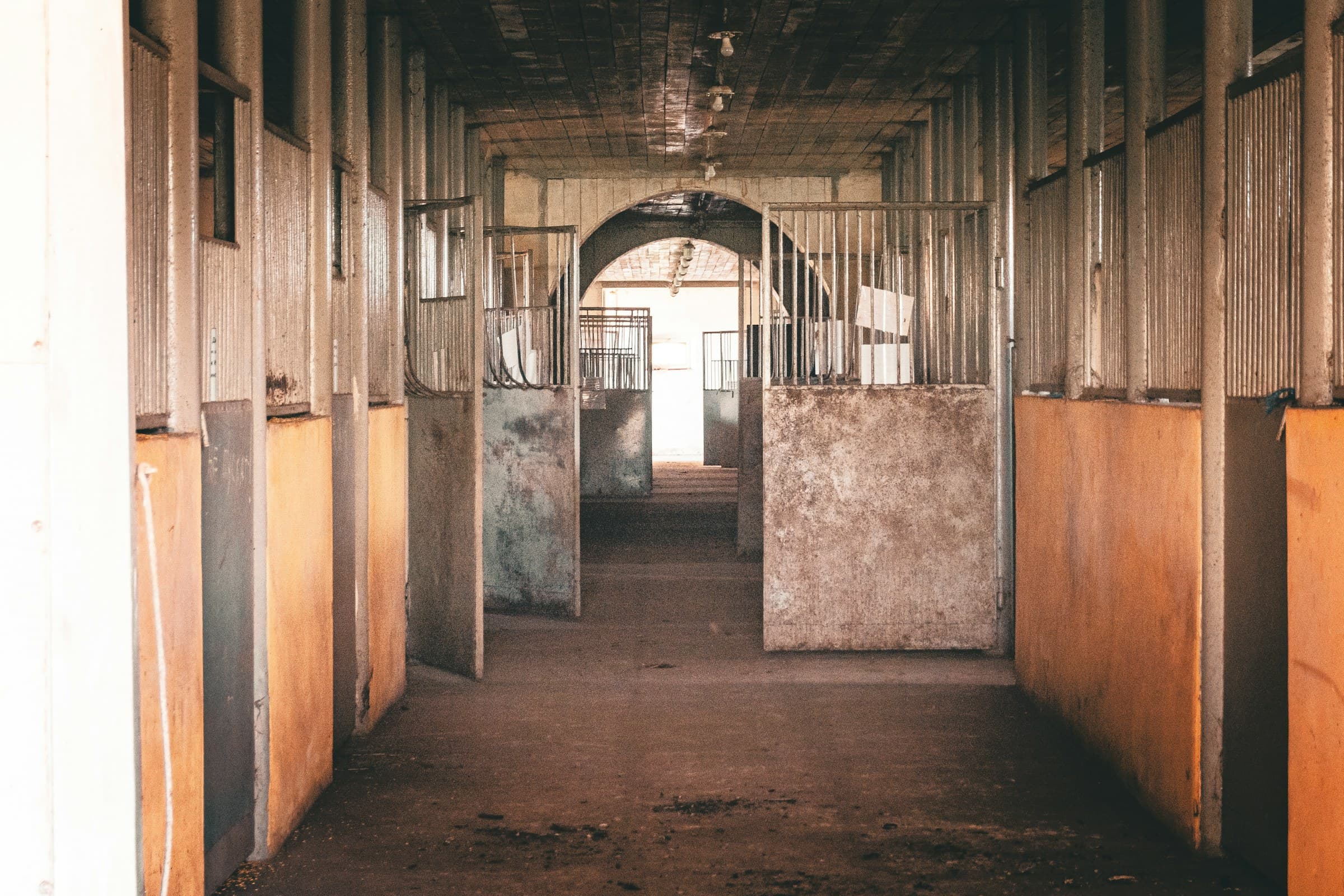
The dim central aisle of a wooden horse barn, stall doors running down both sides
The old barn · 18 stalls, built 1974
A horse looking out over a green stall door on a cold morning, its breath showing in the air
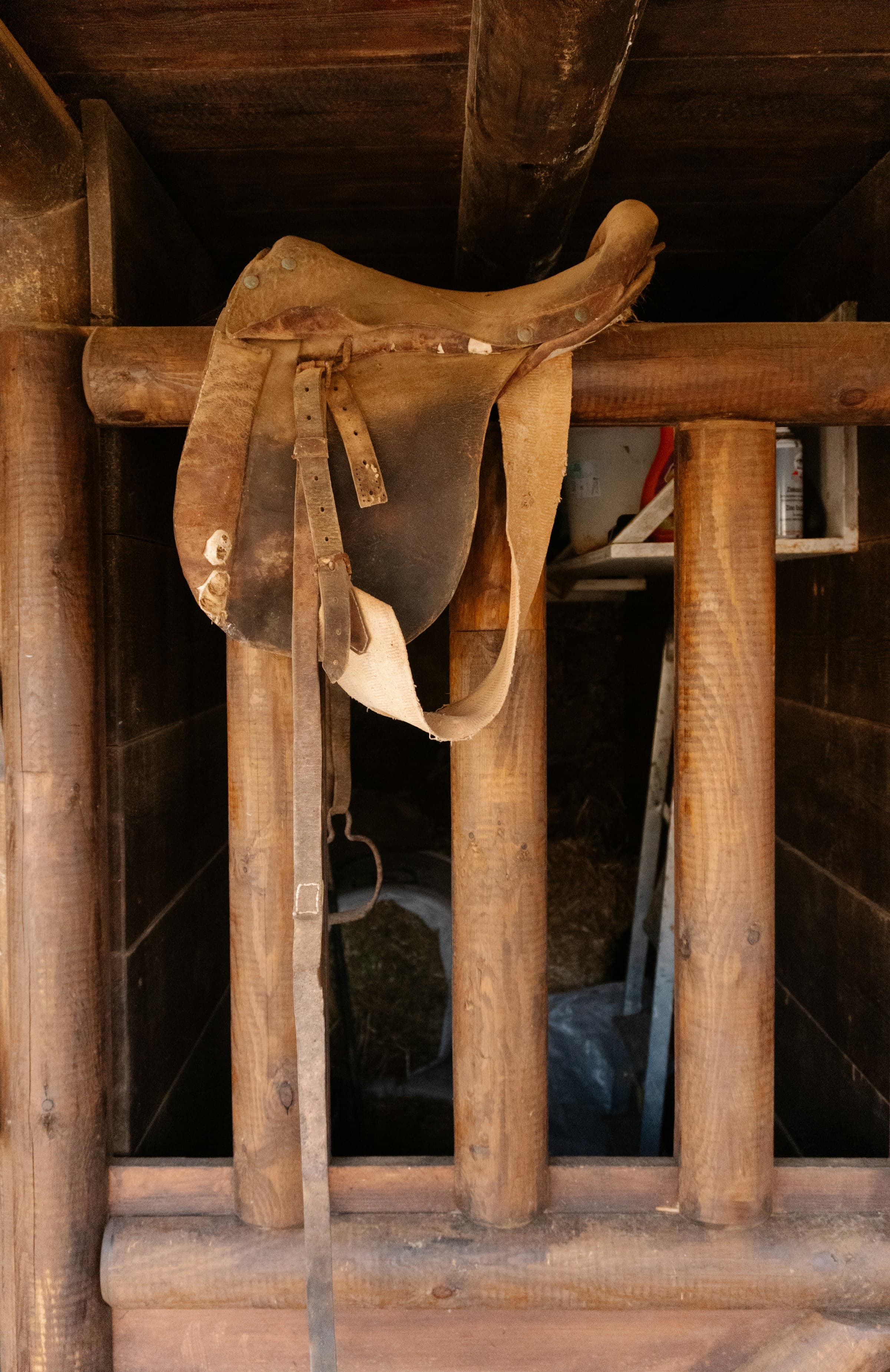
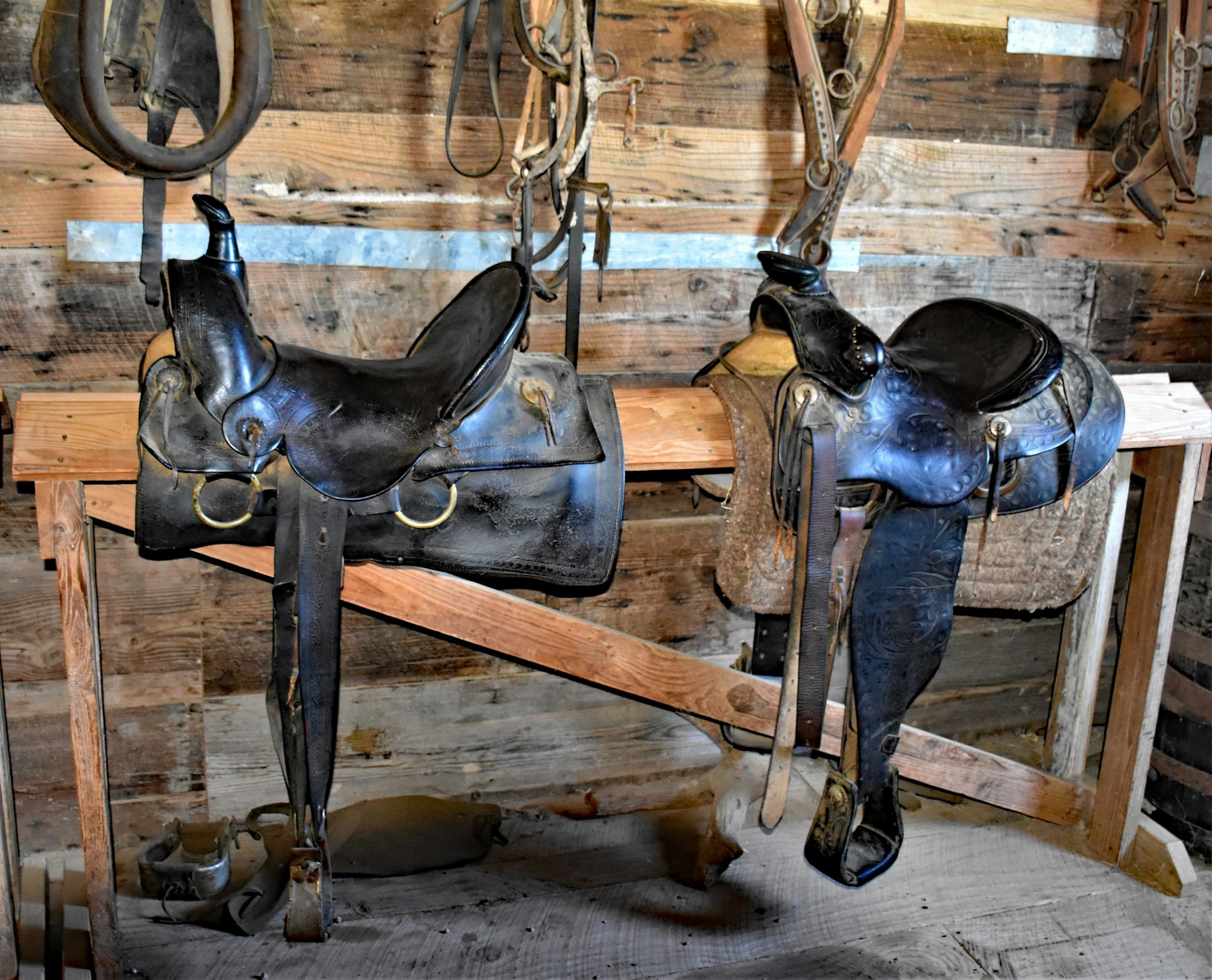
A worked saddle and stirrup hanging on a wooden rack in a tack room

Ground

Covered arena
150 × 300, watered and dragged 4× daily
Outdoor arena
200 × 400, with fence-work alley
Cutting pen
120 × 120, turnback alley, sorting gate
Round pen
60 foot, sand and rubber
Footing
Washed silica and textile blend, 4" depth

Cattle

Fresh cattle on site
90 head, rotated monthly
Mechanical flag
Priefert, 200 foot cable, covered arena
Sorting and holding
Six pens, hydraulic alley

Horses

Stalls
42, 12 × 12, matted, automatic waterers
Turnout
14 traps, two to four acres each
Eurociser
Six horse, covered
Conditioning
Aquatread and cold saltwater spa
Veterinary room
Stocks, digital radiography, on-call DVM
Farrier shop
On site, forge, resident farrier Tuesdays

Place

Acreage
148 acres, Parker County
Hay barn
Four bay, 300 rolls under roof
Client room
Viewing window, coffee, wifi
Fort Worth
42 miles, Will Rogers Coliseum

06The people

Four of us,
thirty-eight head

Everyone here rides. There is no arrangement where you pay a trainer and an assistant does the riding — if your horse is in the futurity program, the name on the card is the person on his back.

  • Back

    07

    Founded the barn in 2009

    Wade Corrigan

    Head trainer · reined cow horse, reining

    Grew up on a Nebraska yearling operation and has been in Parker County since 2003. Rides the hackamore horses himself and will not sell you a horse he would not ride.

    NRCHA $1.42M · NRHA $610K

  • Back

    24

    Joined 2014

    Renata Salas-Boone

    Cutting

    Came up through the herd-holding end of the pen, which is where she says she learned to read cattle. Runs the cutting side and the turnback crew.

    NCHA $890K · two Futurity finals

  • Back

    11

    Joined 2018

    Ty Ledbetter

    Colt starting, two-year-olds

    Starts every colt that comes through the gate. Believes most training problems are a colt who was asked a question before he was taught the words.

    Roughly 400 colts started

  • Back

    38

    Joined 2021

    Marlee Quintanilla

    Barrel horses, conditioning

    Handles the barrel string and the conditioning program for the whole barn — legs, feet, and what every horse did yesterday, written down.

    Two futurity averages, $240K

What clients say

  • I sent a three-year-old that I had already given up on. Wade did not tell me she was going to be great. He told me exactly what was wrong with her, in order, and then fixed them in that order. She was a Snaffle Bit finalist eighteen months later.

    Dana KreutzerArdmore, Oklahoma · Cats Cross Timber
  • What I did not expect was the video every month. I live nine hours away and I have never once had to wonder what my horse is doing. Most barns will not even return the call.

    Phil OstranderSheridan, Wyoming · Whiz On A Wire
  • Renata put my hand down for me the first time and I hated it. She was right. I have won more in two years as a non-pro than in the nine before it.

    Coleen Bright-MaysMarietta, Texas · Metallic Sundowner

07Rates & openings

Here is the number,
and what it covers

Almost nobody in this industry publishes a day rate. We would rather you knew before you called, and we would much rather you knew about the costs that are not in it — those are the ones that surprise people in March.

Colt starting

$70per day

60 or 90 day term

Two-year-olds who have never been saddled, and older horses who need starting over.

  • Five rides a week
  • Ground work, first rides, outside miles
  • Trailer loading, clipping, hobbling
  • Shod and wormed at intake
  • Written report and video every two weeks

Sets start in August and January

Full training

$85per day

Month to month, 30 day notice

Horses being brought along or tuned up in any of the six disciplines.

  • Five rides a week, six in show season
  • Stall, hay, grain twice daily, turnout
  • Eurociser and conditioning program
  • Cattle work as the horse's program calls for
  • Monthly video and a phone call that gets answered

4 stalls open for fall

Futurity prospect

$95per day

Committed through the horse's aged-event year

Three-year-olds pointed at Fort Worth or Oklahoma City. Capped at twelve head so that every one of them gets ridden by a trainer, not an assistant.

  • Everything in full training
  • Show schedule planned in January
  • Entries, stalls and hauling coordinated
  • Vet, farrier and dentistry scheduled around the calendar
  • Weekly video through show season

3 of 12 spots open for the 2027 crop

Haul-in & lessons

$150per session

Tuesdays and Thursdays

Riders bringing their own horse for the day. Cattle and flag time included.

  • 90 minutes, one horse
  • Arena, flag and cattle access
  • Four-session card, $540
  • Clinics twice a year, spring and fall

Booking three weeks out

Not in the day rate

Farrier
$185 shod all around, six week cycle
Veterinary & dentistry
Billed at cost, itemised
Hauling
$1.25 per mile, split between horses on the trailer
Show care
$45 per day, plus stalls and shavings
Entry fees
Billed at cost, approved by you in advance
Earnings
25% of money won on horses we show for you

08Send us a horse

Tell us about him,
honestly

Including the parts that are not going well. We would rather turn a horse down in July than let you haul him eleven hours in September for nothing.

Prototype form — nothing leaves your browser.